


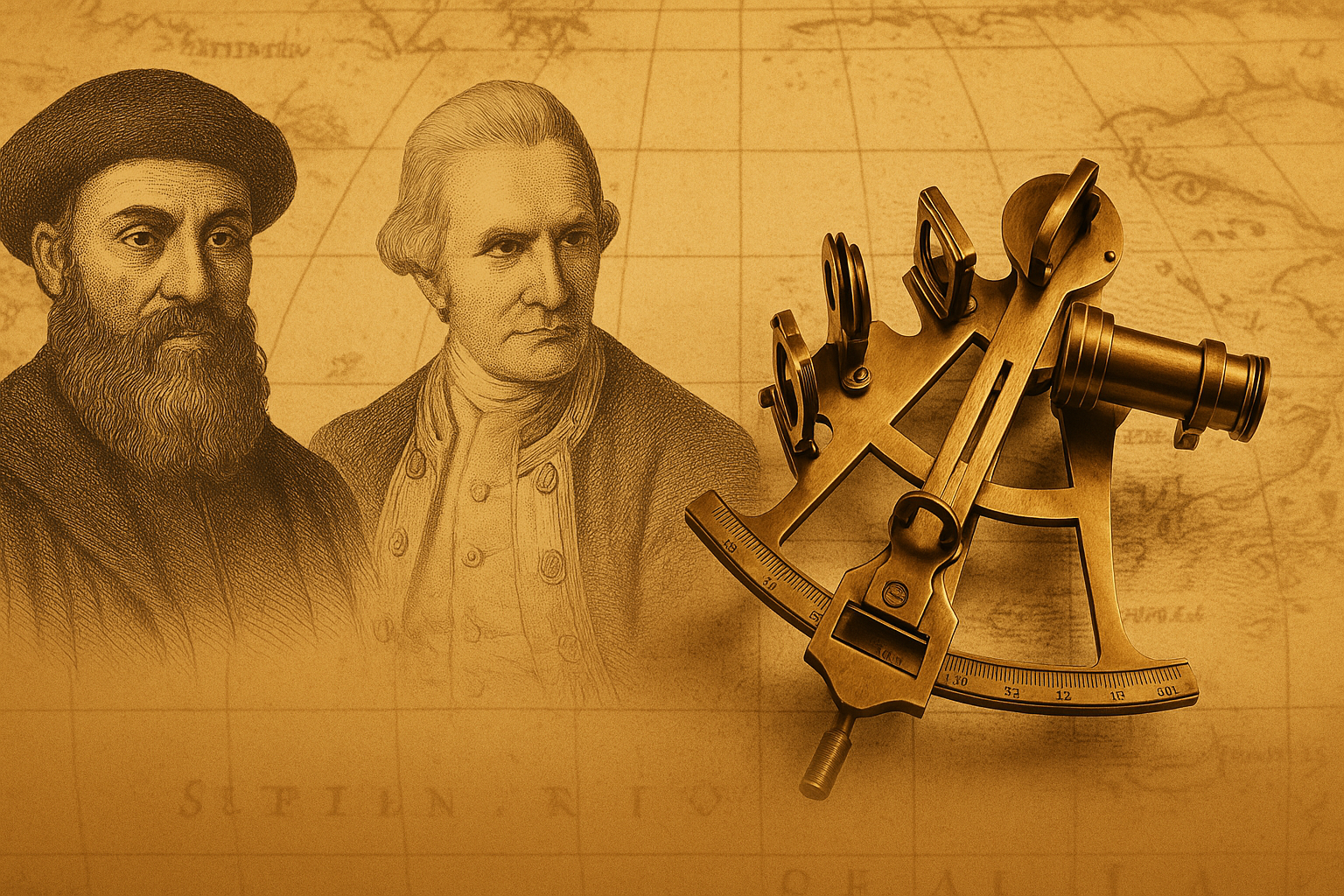
Sextant is one of the most fascinating navigational tools in history. Although today we associate travel with GPS and satellites, for hundreds of years it was this very instrument—a small device based on simple astronomical principles—that guided sailors across vast oceans. Thanks to it, explorers could determine their position at sea with remarkable precision, enabling expeditions that changed the course of history.
What is a sextant and how did it work?
The sextant is an instrument that allowed measuring the angle between the horizon and a celestial body (e.g., the Sun or a star). Reading this data enabled the determination of the ship's latitude—a crucial piece of information during long ocean voyages.
Thanks to this, sailors, instead of wandering on the open sea, could precisely determine their course and reach distant lands. Although it seems archaic today, the sextant was a technological revolution in its time—comparable to modern satellite navigation.
Magellan and the first circumnavigation of the world
Ferdinand Magellan, a Portuguese sailor in the service of Spain, set out in 1519 on a journey aimed at finding a sea route to Asia by sailing west. His expedition was the first in history to attempt to circumnavigate the entire Earth.
Although the sextant in the form we know today was developed only in the 18th century, earlier instruments (like the astrolabe and quadrant) served a similar role. Magellan and his crew used these tools to navigate the ocean, and their expedition proved that the Earth is a sphere and can be circumnavigated.
Captain Cook and the golden age of the sextant
James Cook, an 18th-century explorer and captain of the Royal Navy, was one of the first to fully utilize the potential of the sextant. In his time, this instrument reached its mature form and became standard equipment on ships.
Cook undertook three great voyages that significantly expanded European knowledge of the world. Thanks to the sextant and new navigation methods:
-
explored the coasts of Australia and New Zealand,
-
made precise measurements of the Pacific,
-
contributed to solving the problem of longitude, by combining the sextant with the marine chronometer.
In his hands, the sextant became a scientific tool, not just a practical one—it enabled the creation of accurate maps and helped prevent tragedies related to getting lost at sea.
Other great explorers and the sextant
-
Francis Drake – used primitive navigational tools during his circumnavigation of the world (1577–1580).
-
Matthew Flinders – a British sailor who was the first to circumnavigate the Australian continent and named it "Australia," also used a sextant.
-
Jean-François de La Pérouse – a French explorer who studied the Pacific, relying on the most advanced navigational instruments of his time.
The legacy of the sextant
Although we no longer use it daily today, the sextant remains a symbol of the age of great discoveries. It is a testament to human curiosity and courage—that with science and a bit of ingenuity, the greatest unknowns could be conquered.
For many travel and history enthusiasts, a sextant is not just an instrument—it is a metaphor for finding one's own path, both literally and figuratively.
Sextant as a gift with a soul
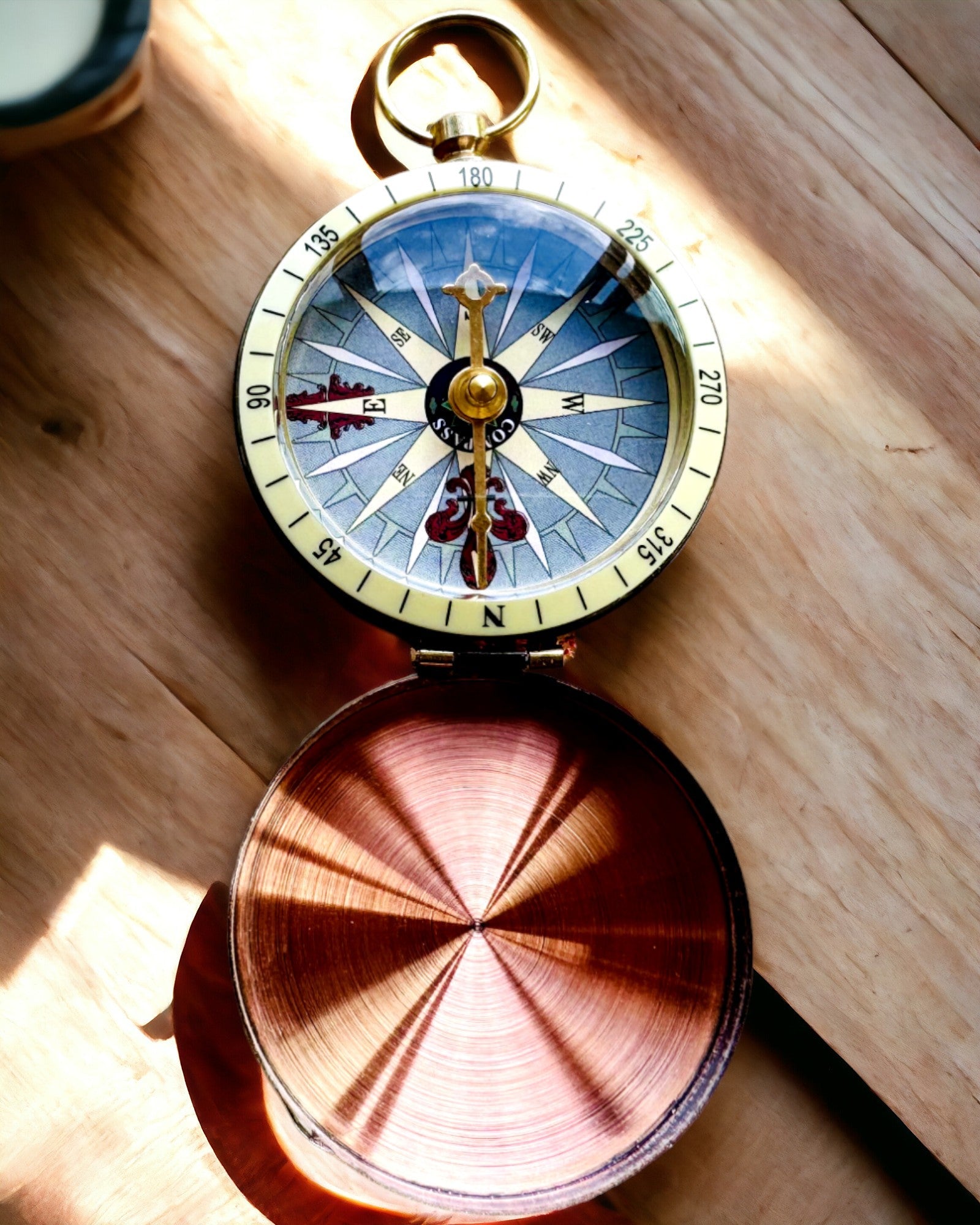
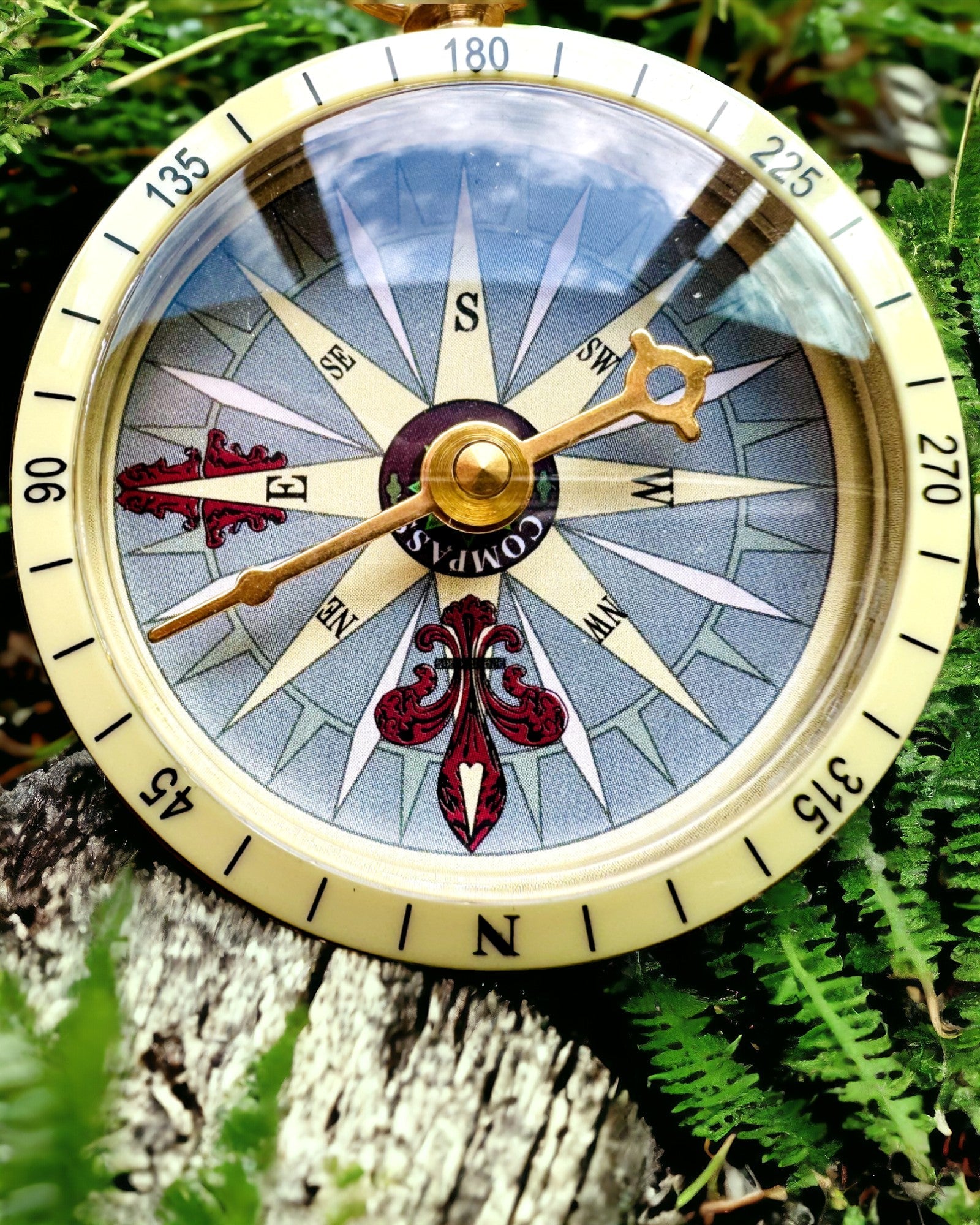
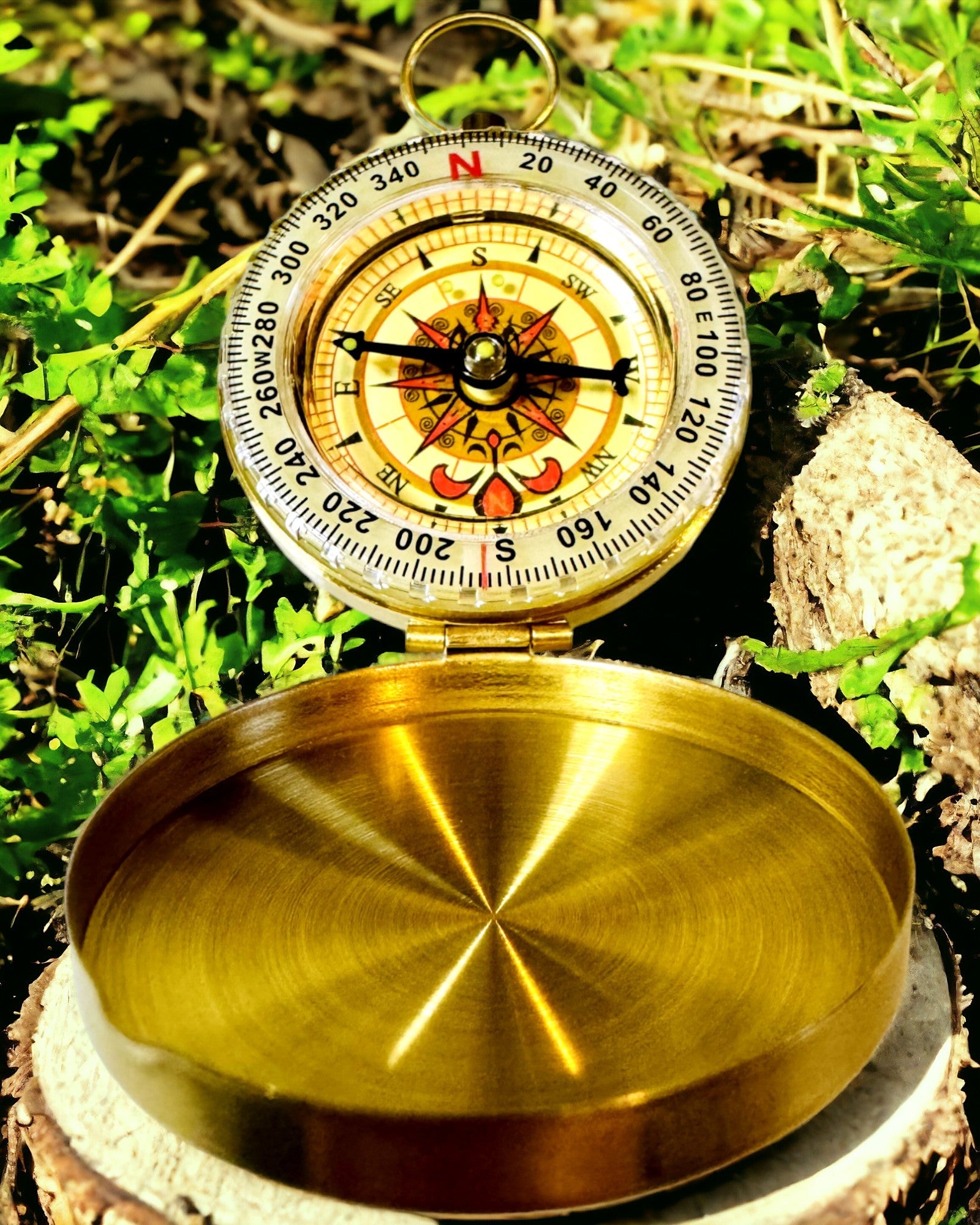
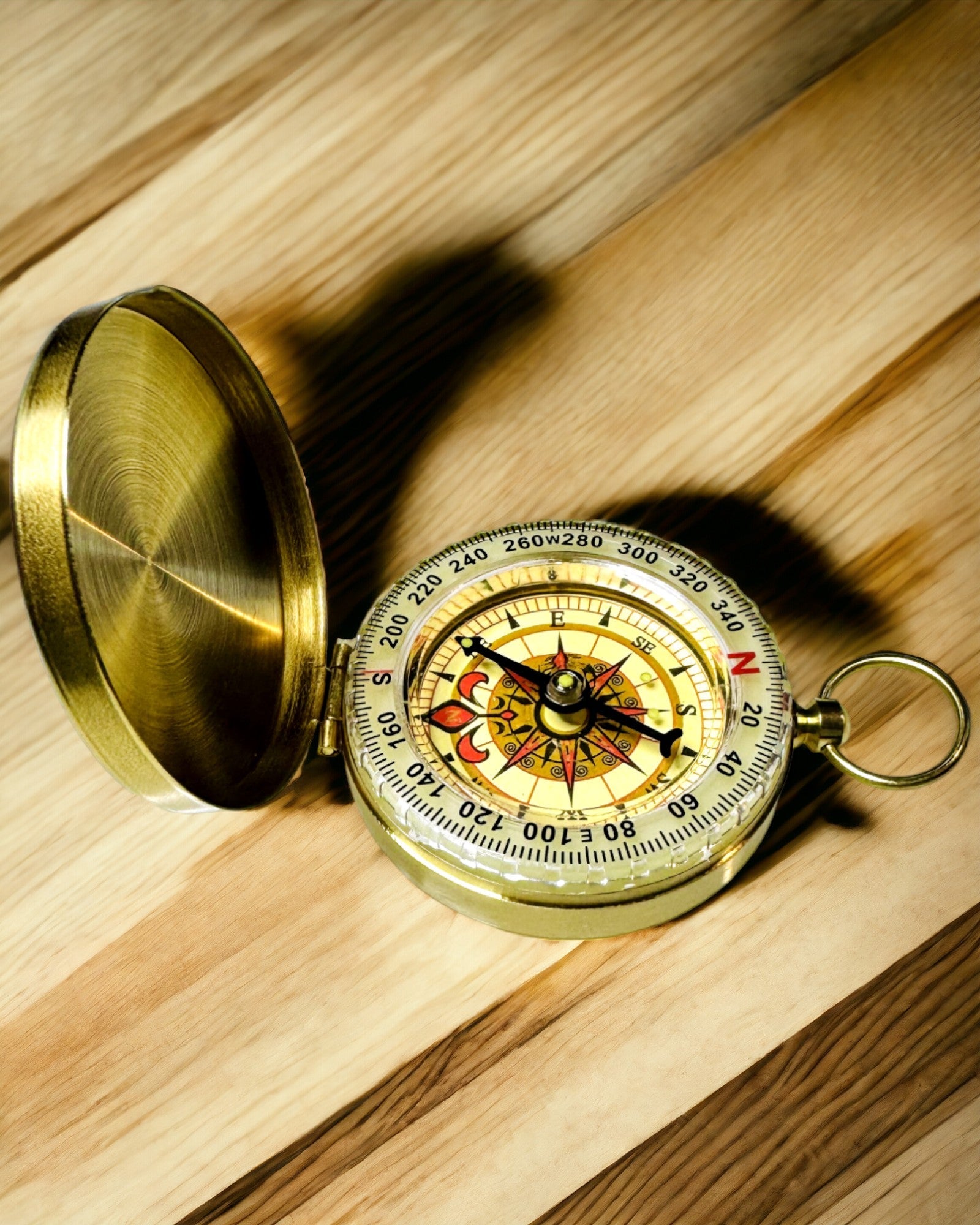
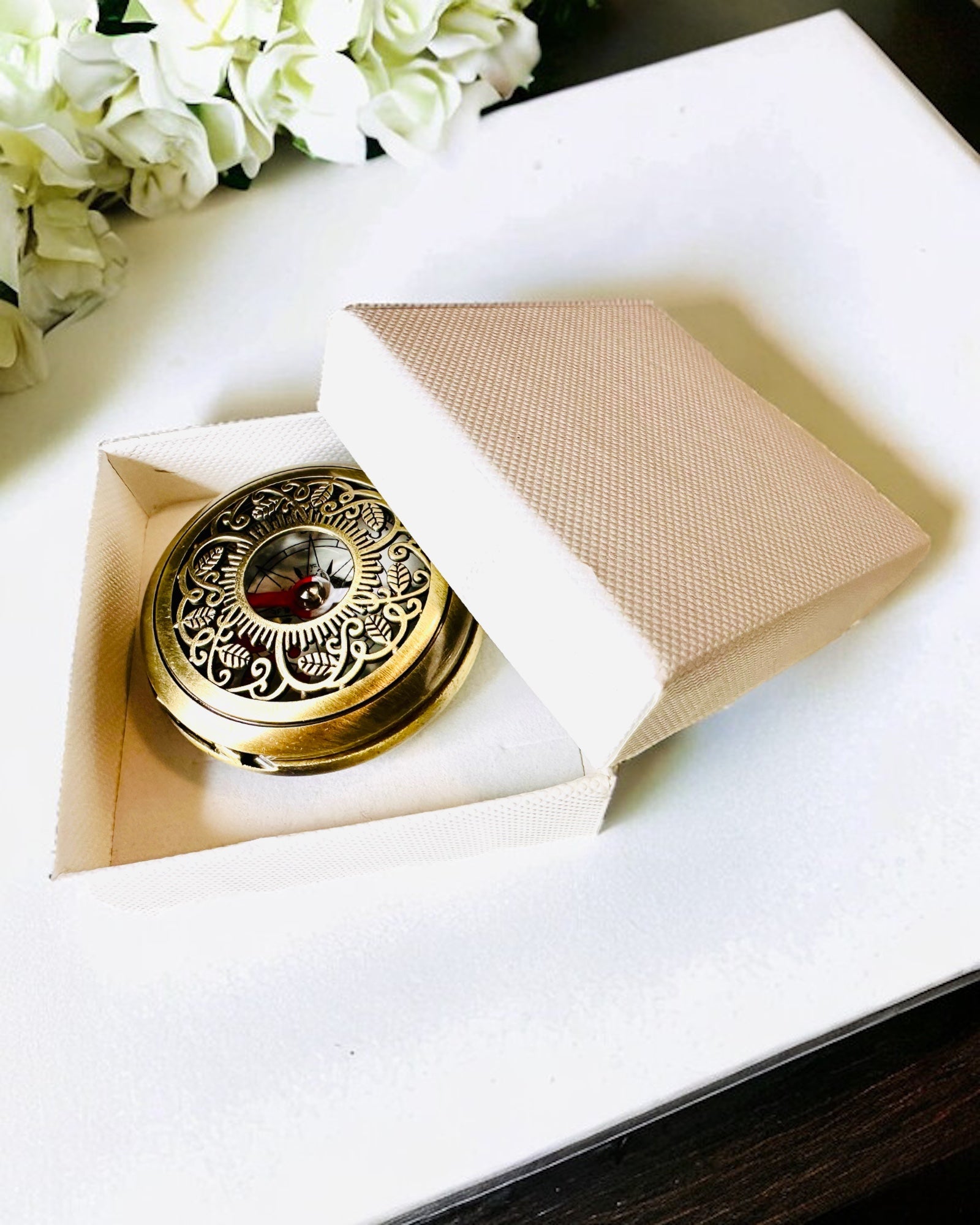
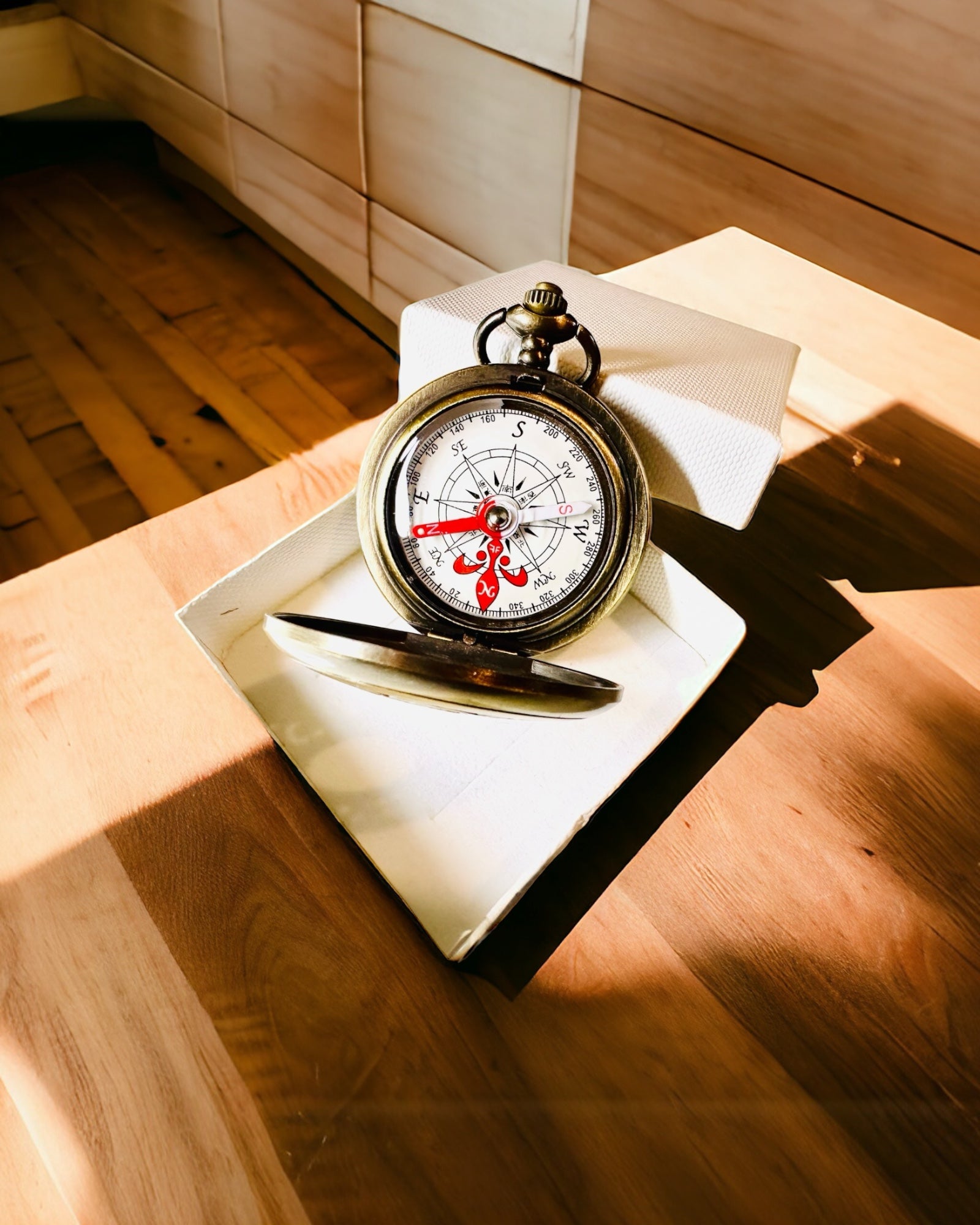
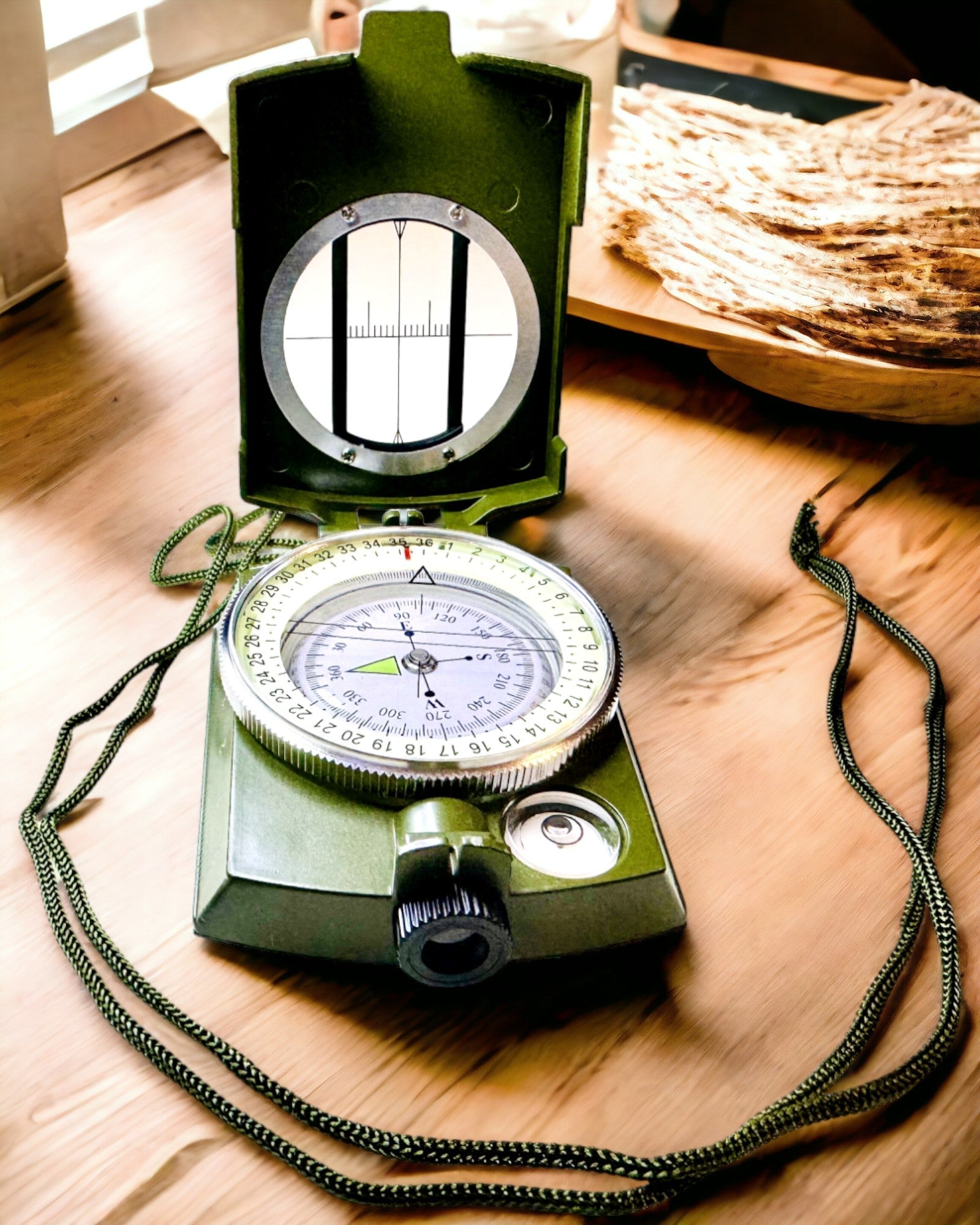
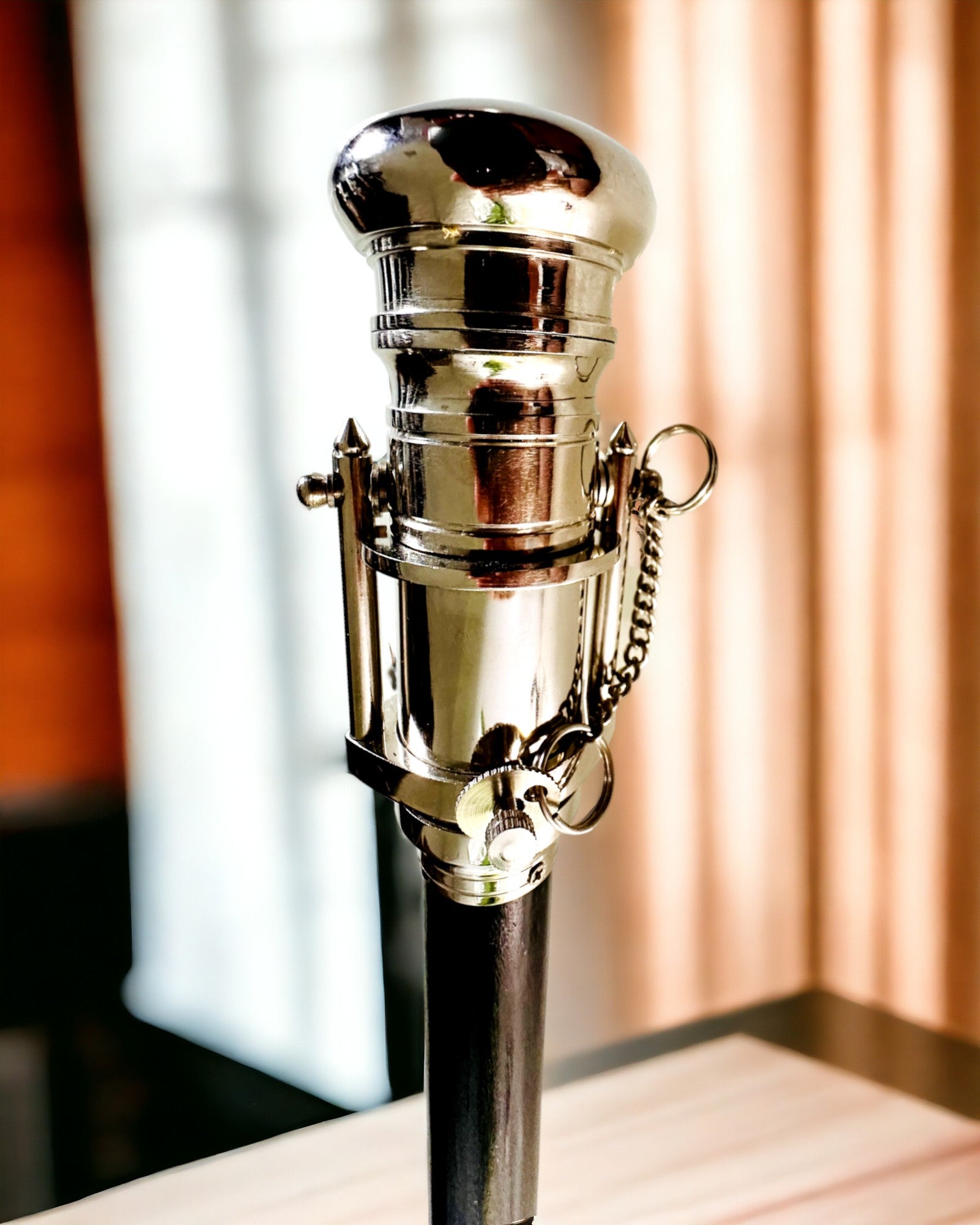
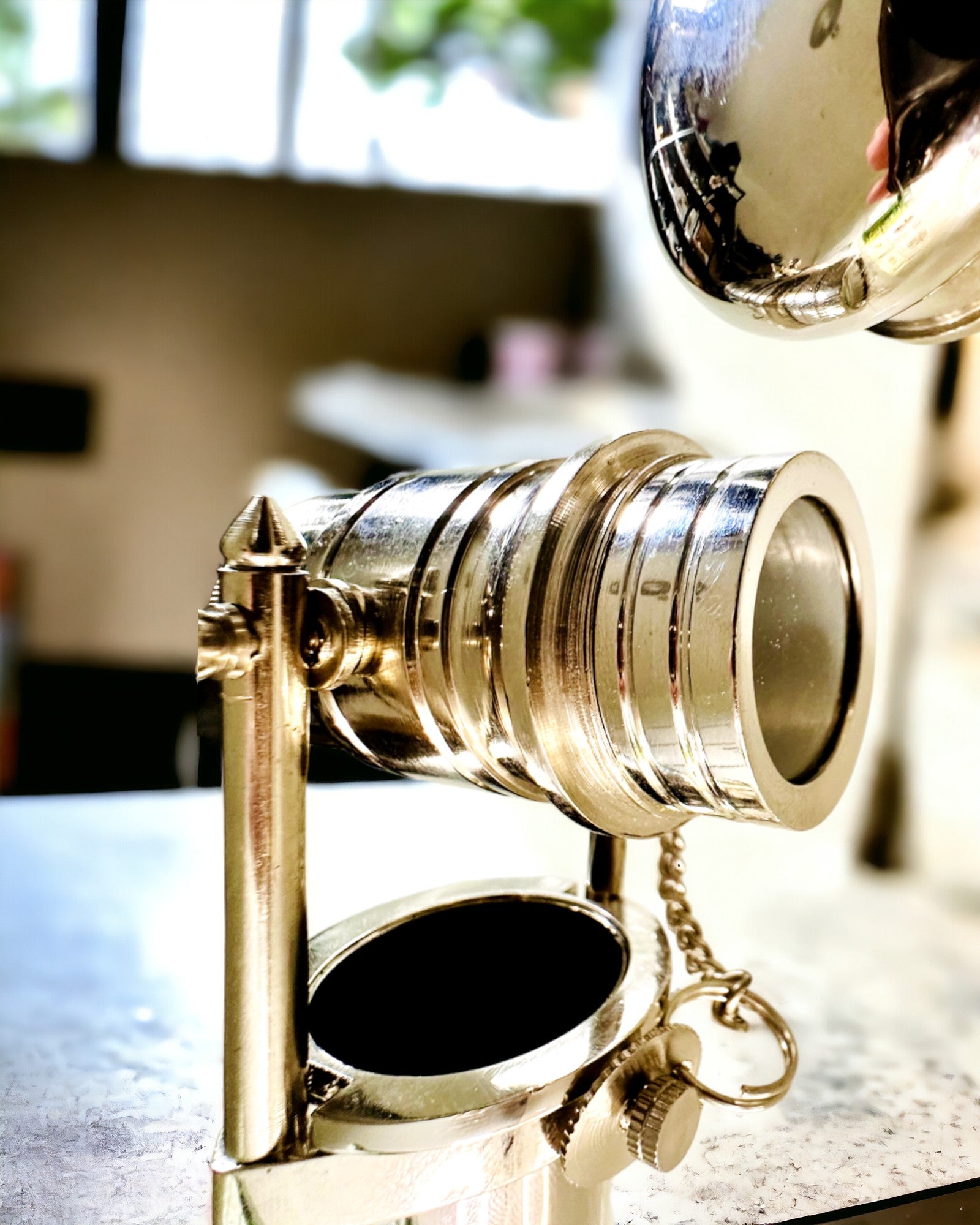
Today, a vintage-style sextant is not only a beautiful decorative element but also a symbol of exploration and passion for travel. At MICHAELSERGE, you will find handcrafted sextants that can become a unique gift—with the option for personalization, such as engraving a travel quote or a dedication for the recipient.
This is a keepsake that combines history, craftsmanship, and timeless charm—just as it once connected a sailor with the stars in the sky.





Unique and Personalized Gifts for Boyfriend’s Day
Ayurveda – ancient wisdom for modern life